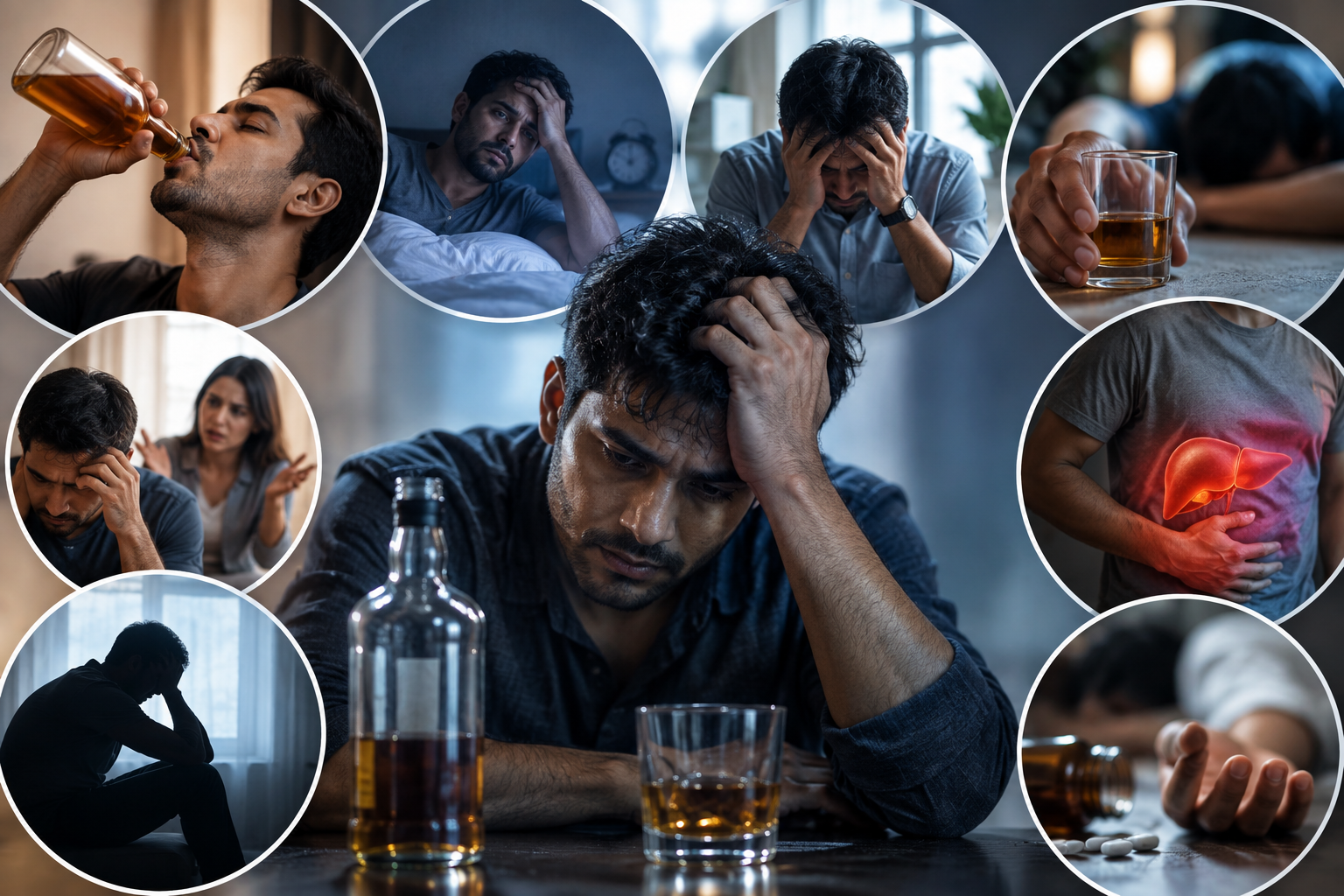
Rahul, a 34-year-old marketing professional, used to have a drink or two at social gatherings. Over time, his colleagues noticed he was the last one standing at office parties. His wife found empty bottles hidden in his car. He started missing Monday morning meetings, blaming it on "viral fever." Deep down, Rahul knew something was wrong, but he told himself he could stop anytime.
Does this sound familiar? Maybe you're noticing similar patterns in yourself or someone you care about. Alcohol addiction doesn't happen overnight. It creeps in gradually, often starting with seemingly harmless habits. Recognising the warning signs early can make a world of difference. If you or a loved one are struggling, know that effective Alcohol Addiction Treatment in Bhubaneswar is available, and recovery is absolutely possible.
What Is Alcohol Addiction?
Alcohol addiction, also known as Alcohol Use Disorder (AUD), is a chronic medical condition where a person has difficulty controlling their drinking, even when it negatively impacts their health, relationships, or work . It is not a sign of weak character or a lack of willpower. It is a complex health condition that requires understanding and professional support .
Alcohol use disorder can range from mild to severe and affects people from all walks of life . For some, it might mean occasional binge drinking. For others, it's regular heavy drinking or physical dependence.
Warning Signs of Alcohol Addiction You Shouldn't Ignore
1. Drinking More or More Often Than Planned
You might plan to have just one or two drinks but end up having several. Or you decide not to drink during the week but find yourself doing it anyway . This loss of control over the amount or frequency of drinking is often one of the earliest and most telling signs . As one person described it, "I'll stop after tonight" becomes a familiar thought that never translates into action .
2. Strong Cravings or Preoccupation With Alcohol
Do you find yourself thinking about alcohol more often? Wondering when you can have your next drink, or whether there's enough alcohol at home? When alcohol starts taking up significant mental space, it's a warning sign that your relationship with it may be changing .
3. Difficulty Cutting Down or Stopping
Have you tried to cut back or quit but couldn't stick with it? This is a hallmark symptom of alcohol use disorder . Repeated unsuccessful attempts to control drinking indicate that alcohol has a strong grip on your behaviour.
4. Drinking Interferes With Work, Studies or Responsibilities
When alcohol becomes a priority, other parts of life often suffer. This can manifest as:
Missed work or school: Calling off more often, showing up late, or struggling to concentrate due to hangovers or late nights .
Neglected responsibilities: Letting chores, bills, or personal care slide .
Poor performance: Missing deadlines or making careless mistakes.
5. Relationship or Social Problems Related to Drinking
Drinking can lead to increased conflict with family, friends, or colleagues. You might notice:
Frequent arguments about drinking habits .
Withdrawing from loved ones or preferring to spend time with people who drink heavily .
Avoiding situations where alcohol isn't available or drinking before attending events where you can't drink .
If alcohol is causing problems with the people you care about, it's a sign to take a closer look.
6. Continuing to Drink Despite Health or Personal Problems
One of the most defining characteristics of alcohol addiction is continuing to drink even when it's causing clear harm . This might include:
Physical health issues: Liver problems, frequent illness, or stomach issues .
Mental health problems: Anxiety, irritability, depression, or mood swings .
Risky situations: Driving under the influence or blacking out . Despite these consequences, the person continues to drink.
7. Withdrawal Symptoms or Needing Alcohol to Feel Normal
If you experience physical or emotional discomfort when you're not drinking, your body may be signalling dependence. Common withdrawal symptoms include :
Shaking or trembling hands .
Sweating and nausea .
Anxiety or restlessness .
Trouble sleeping .
In more severe cases, withdrawal can involve confusion, hallucinations, and even seizures, which are medical emergencies . People who have been drinking heavily should not stop suddenly without medical supervision, as severe withdrawal can be life-threatening .
Other Signs That Should Not Be Ignored
Hiding or lying about drinking habits .
Drinking alone frequently.
Spending excessive money on alcohol.
Loss of interest in hobbies or activities you once enjoyed .
Drinking at inappropriate times, like first thing in the morning (often called an "eye-opener") .
Social Drinking vs Alcohol Addiction
Social or occasional drinking typically involves having a drink in a controlled manner without negative consequences. Harmful drinking, on the other hand, leads to problems in your life. Alcohol Use Disorder is diagnosed when there is a pattern of loss of control, continued use despite consequences, and, in some cases, physical dependence .
Remember, the question "Do I have a problem?" is itself a meaningful sign that it's time to take a closer look .
When Should You Seek Professional Help?
You should consider seeking professional help if:
You find it difficult to control how much or how often you drink.
Alcohol is causing problems at work, home, or in your relationships.
You've tried to quit unsuccessfully.
You experience withdrawal symptoms when you stop drinking.
Drinking is causing physical or mental health issues.
Seeking help early can make recovery more effective and prevent long-term problems . You don't need to wait until you hit "rock bottom" to ask for support.
Is It Safe to Quit Alcohol Suddenly?
No. For people who have been drinking heavily for a prolonged period, suddenly stopping can be dangerous. Severe alcohol withdrawal can involve seizures, hallucinations, and a potentially life-threatening condition called delirium tremens (DTs) . If you suspect dependence, it is crucial to seek medical advice before stopping . A healthcare professional can help you detox safely with medical supervision .
How Can Family Members Support Someone With Alcohol Addiction?
Supporting a loved one with alcohol addiction is challenging but important. Here are some non-judgmental ways you can help:
Choose a calm time to talk: Express your concern with care and compassion, without blaming or shaming them .
Encourage professional help: Gently suggest they speak with a doctor or addiction specialist.
Avoid enabling: Don't cover up their mistakes or make excuses for their behaviour.
Set healthy boundaries: Protect your own well-being while offering support.
Seek support for yourself: Consider family counselling or support groups for caregivers.
Frequently Asked Questions(FAQ)
1. What are the early warning signs of alcohol addiction?
Ans :- Early signs include drinking more than you planned, craving alcohol, unsuccessful attempts to cut down, and drinking despite negative consequences.
2. How do I know if my drinking has become a problem?
Ans :- If your drinking is affecting your health, relationships, work, or ability to control how much you drink, it may be a problem. The CAGE questionnaire (cut down, annoyed, guilty, eye-opener) is a simple screening tool that can help .
3. What is the difference between alcohol abuse and alcohol dependence?
Ans :- Alcohol abuse involves continued drinking despite negative consequences. Dependence involves physical symptoms like tolerance and withdrawal, making it difficult to stop without help.
4. Can someone be addicted to alcohol even if they drink only on weekends?
Ans :- Yes. Binge drinking on weekends can still be a sign of alcohol use disorder if it leads to repeated negative consequences and a loss of control over drinking.
5. Can alcohol addiction be treated?
Ans :- Yes. Alcohol use disorder is a treatable condition. Professional treatment can help people regain control, improve their health, and rebuild their lives .
6. Is it safe to quit alcohol suddenly?
Ans :- No. For people with heavy, long-term alcohol use, sudden withdrawal can be dangerous. It is important to seek medical advice before stopping .
7. When should I see a psychiatrist for alcohol addiction?
Ans :- You should consider seeing a psychiatrist or addiction specialist if you are struggling to control your drinking, experiencing withdrawal symptoms, or if alcohol is negatively impacting your life. Professional help can provide a safe and effective path to recovery.
Conclusion
Alcohol addiction is a health condition, not a personal failure. Recognising the warning signs—from drinking more than planned to experiencing withdrawal—is the first and most courageous step toward recovery. If you or someone you care about is struggling, please know that help is available and effective. Seeking Alcohol Addiction Treatment in Bhubaneswar or anywhere else is not a sign of weakness; it is a powerful act of self-care and the beginning of a healthier, more fulfilling life. You are not alone, and it is never too late to seek help.
A Doctor's Perspective: When Is Drinking More Than a Habit?
One of the most common questions I hear is, 'Doc, do I really have a problem?' A good rule of thumb is to look at the control you have over your drinking and the consequences it brings. If you repeatedly drink more than you intended, if it's affecting your sleep, mood, relationships, or work, or if you feel anxious or shaky when you don't drink, these are clear signs that professional support is needed. Addiction is a medical condition, and just like any other health issue, it deserves expert care. There is no shame in reaching out.
Meet Your Mental Health Specialist : Dr Saiprasad Ray.
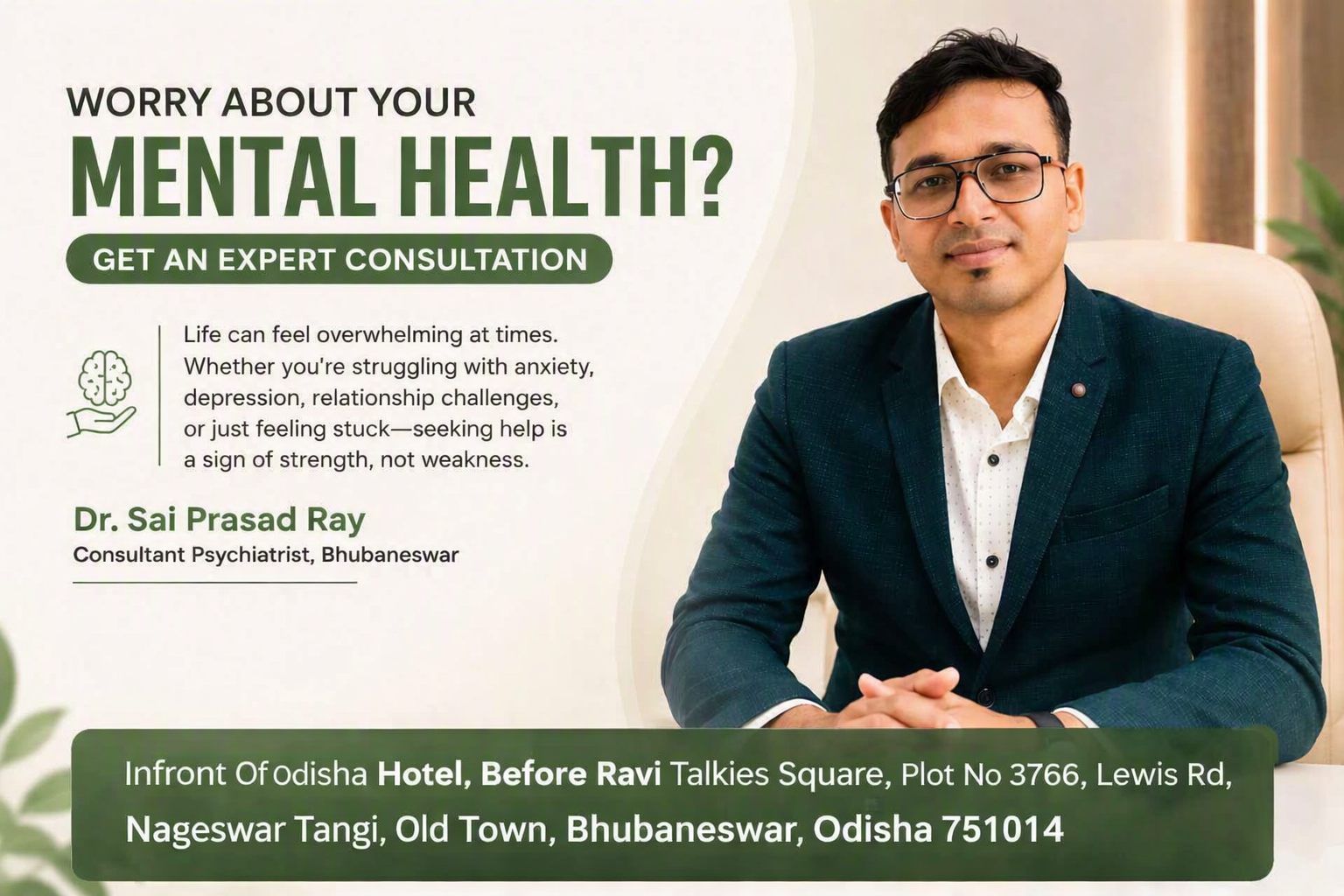
Dr. Saiprasad Ray is a compassionate mental health specialist dedicated to providing comprehensive mental healthcare for individuals of all ages. With expertise in the diagnosis and treatment of depression, anxiety, stress-related disorders, bipolar disorder, schizophrenia, addiction, OCD, sleep disorders, and other psychiatric conditions committed to providing thoughtful, patient-centred care. He helps individuals understand and manage concerns related to anxiety, stress, mood, and emotional well-being through a supportive and personalised approach. His focus is on creating a comfortable space where patients can openly discuss their concerns and work toward meaningful mental wellness.
Dr. Saiprasad Ray
Consultant Psychiatrist
Anandam Psychiatry & Wellness Clinic
Address :- Infront Of Odisha Hotel, Before Ravi Talkies Square, Plot No 3766, Lewis Rd, Nageswar Tangi, Old Town, Bhubaneswar, Odisha 751014.
Visit Location :- https://maps.app.goo.gl/EZzZfaqjAwDJwVUB8
Book an appointment today and get a complete treatment for alcohol addiction treatment.