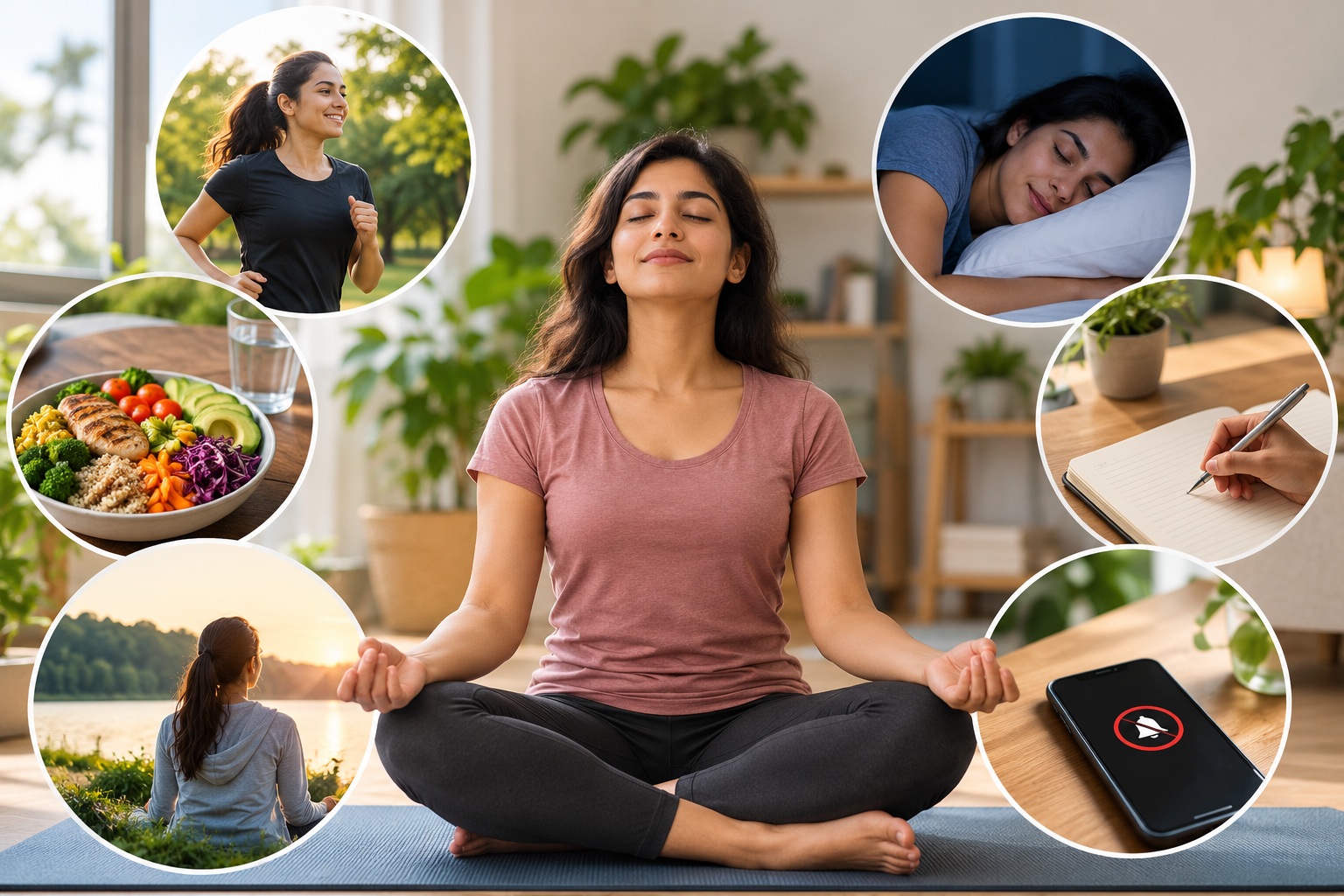
Occasional worry or nervousness is a normal part of life. Before an exam, a job interview, or an important decision, feeling a little anxious is natural. However, when anxiety becomes persistent, intense, or difficult to control, it can interfere with sleep, concentration, relationships, work, and everyday activities. Certain healthy daily habits may support emotional well-being and help people manage everyday stress more effectively. These habits are supportive measures they are not a substitute for professional treatment when someone has an anxiety disorder or significant symptoms. For those in Odisha who need additional support, Anxiety Treatment in Bhubaneswar offers access to qualified mental-health professionals who can assess individual needs and recommend appropriate care.
Why Daily Habits Matter When Managing Anxiety
Consistent routines can provide structure and a sense of predictability, which may help reduce the feeling of being overwhelmed. Research suggests that simple behaviours such as maintaining a balanced diet, exercising regularly, and spending time outdoors are associated with short- and long-term reductions in anxiety and depressive symptoms. Factors such as sleep, physical activity, nutrition, stress management, social connection, screen use, and daily structure may influence how a person copes with stress and anxious feelings. However, it is important to understand that anxiety can have psychological, physical, environmental, and lifestyle-related factors.
1. Maintain a Consistent Daily Routine
A predictable routine can make the day feel more organized and manageable. Simple practices such as waking up at a consistent time, planning important tasks, setting realistic priorities, creating regular meal times, and maintaining a consistent bedtime can help create a sense of stability.
Flexibility matters more than perfection. The goal is not to follow a rigid schedule but to create gentle structure that supports emotional balance.
2. Make Physical Activity Part of Your Day
Regular physical activity supports general physical and emotional well-being. Exercise is widely recognized as a powerful stress reducer that can improve mood and help you stay healthy. Activities such as walking, cycling, swimming, yoga, stretching, or strength training can all be beneficial. Choose an activity you can maintain consistently rather than focusing only on intense workouts. Even 30 minutes of walking can help reduce stress hormones. However, it is important not to view exercise as a cure for anxiety disorders
4. Practise Slow Breathing and Relaxation Techniques
Simple relaxation strategies can be practiced during periods of stress. Slow breathing, mindfulness, progressive muscle relaxation, and brief relaxation breaks are techniques that may help some people manage immediate feelings of tension. Research has found that practising just 10 minutes of daily mindfulness can ease depression and anxiety and motivate people to adopt healthier lifestyle habits.
5. Reduce Excessive Caffeine and Stimulants
Caffeine can increase feelings such as jitteriness or physical arousal in some people. Common sources include coffee, energy drinks, strong tea, and certain caffeinated beverages. Nicotine and caffeine can worsen anxiety symptoms. If you notice a connection between caffeine and your anxiety symptoms, consider moderating your intake. Complete elimination is not universally necessary moderation may be sufficient for many people.
6. Take Breaks From Constant Screen and Social Media Use
Continuous notifications, social media consumption, and information overload can contribute to mental fatigue for some individuals. Reading an excess of negative news has been associated with increases in anxiety and depressive symptoms. Consider turning off unnecessary notifications, taking short screen breaks, creating phone-free periods, avoiding excessive scrolling before bedtime, and spending time on offline activities.
7. Make Time for Supportive Social Connections
Talking with trusted people can be an important part of emotional well-being. Socializing with others has been associated with long-term reductions in anxiety and depressive symptoms. Speaking with a family member, calling a friend, spending time with supportive people, or participating in enjoyable social activities can all help. Social support complements professional care when anxiety becomes persistent or severe it does not replace it.
8. Break Large Tasks Into Smaller Steps
Overwhelming responsibilities can sometimes increase feelings of anxiety. A simple approach can help:
Large task → smaller tasks → realistic priority → one step at a time
Focus on what you can reasonably complete rather than trying to solve everything simultaneously. This approach can make daunting tasks feel more manageable.
9. Create Time for Activities You Enjoy
Hobbies and meaningful activities can provide structure and opportunities for relaxation. Examples include reading, music, gardening, cooking, art, walking, spending time with family, or creative activities. Enjoyable activities should complement not replace professional treatment when needed. They contribute to overall emotional well-being as part of a balanced lifestyle.
10. Keep an Anxiety Journal
Briefly writing down thoughts, situations, or patterns may help some people recognize triggers. Keeping track of your personal life can help you and your mental health professional identify what is causing stress and what seems to help you feel better.
Consider recording what happened, what you were thinking, how you felt, what you did, and what helped. Journaling is not a diagnostic tool it is a self-awareness practice that may support anxiety management.
When Anxiety May Need Professional Treatment
Daily habits may not be sufficient when anxiety is persistent, intense, or significantly affecting daily functioning. Warning signs include:
Persistent excessive worrying
Frequent panic attacks
Difficulty sleeping because of anxiety
Avoiding work, school, social situations, or normal activities
Difficulty concentrating
Physical symptoms associated with anxiety
Anxiety interfering with relationships
Symptoms continuing despite attempts to manage them
A qualified mental-health professional can assess symptoms and determine whether professional treatment may be appropriate. Self-diagnosis is not recommended.
Anxiety Treatment in Bhubaneswar: When Should You Seek Help?
People experiencing persistent or disruptive anxiety may benefit from consulting a qualified mental-health professional. Anxiety Treatment in Bhubaneswar is available through several reputable healthcare institutions and specialists in the city.
Treatment can vary depending on symptoms, duration, severity, individual history, co-existing mental-health conditions, and physical health factors. Professional treatment may involve different approaches depending on the individual's needs. Therapy, lifestyle changes, and other supportive measures often work together as part of a comprehensive plan.
Building a Sustainable Routine for Better Anxiety Management
Morning:-
Wake at a consistent time
Get some daylight
Plan realistic priorities
During the Day:-
Stay physically active
Eat regular balanced meals
Take short breaks
Stay connected with supportive people
Evening:-
Reduce excessive screen use
Practise relaxation
Reflect briefly on the day
Maintain a consistent bedtime
Consistency over perfection is the goal. Small, sustainable habits practised regularly are more helpful than dramatic changes that are difficult to maintain.
Frequently Asked Questions About Anxiety Treatment
1. Can daily habits cure anxiety disorders?
Ans :- No. Daily habits support well-being but are not a cure. Professional anxiety disorder treatment may be necessary for significant symptoms.
2. When should I see a psychiatrist in Bhubaneswar?
Ans :- If anxiety persists for weeks, affects daily functioning, or causes significant distress, consider a professional anxiety consultation.
3. How does sleep affect anxiety?
Ans :- Poor sleep can make it harder to cope with stress. Anxiety and sleep are closely connected—improving one often helps the other.
4. Is caffeine bad for anxiety?
Ans :- Caffeine can worsen symptoms in some people. Moderating intake may help, but complete elimination is not universally required.
5. Can exercise replace anxiety treatment?
Ans :- No. Exercise supports mental health but does not replace professional anxiety treatment when clinically indicated.
6. How do I find mental health treatment in Bhubaneswar?
Ans :- Consult a qualified psychiatrist in Bhubaneswar or a licensed mental-health professional at a reputable hospital or clinic.
7. What is the best breathing technique for anxiety?
Ans :- Slow, diaphragmatic breathing is commonly recommended. A mental-health professional can guide you on techniques suited to your needs.
8. Does social media cause anxiety?
Ans :- Excessive use may contribute to mental fatigue for some people. Taking regular breaks can be helpful.
9. Can I manage anxiety without medication?
Ans :- Some people benefit from therapy and lifestyle changes alone. Others may need medication. A qualified professional can advise appropriately.
10. How long does anxiety treatment take?
Ans :- Duration varies by individual. Some people notice improvement within weeks; others may need longer-term support.
Conclusion
Managing anxiety is a journey that combines daily habits with professional support when needed. Consistent routines, physical activity, quality sleep, relaxation techniques, and social connection can all contribute to better emotional well-being. However, when anxiety becomes persistent or disruptive, seeking Anxiety Treatment in Bhubaneswar from a qualified mental-health professional is a responsible and proactive step. Mental health support is available, and reaching out is a sign of strength.
Meet Your Doctor : Dr Saiprasad Ray
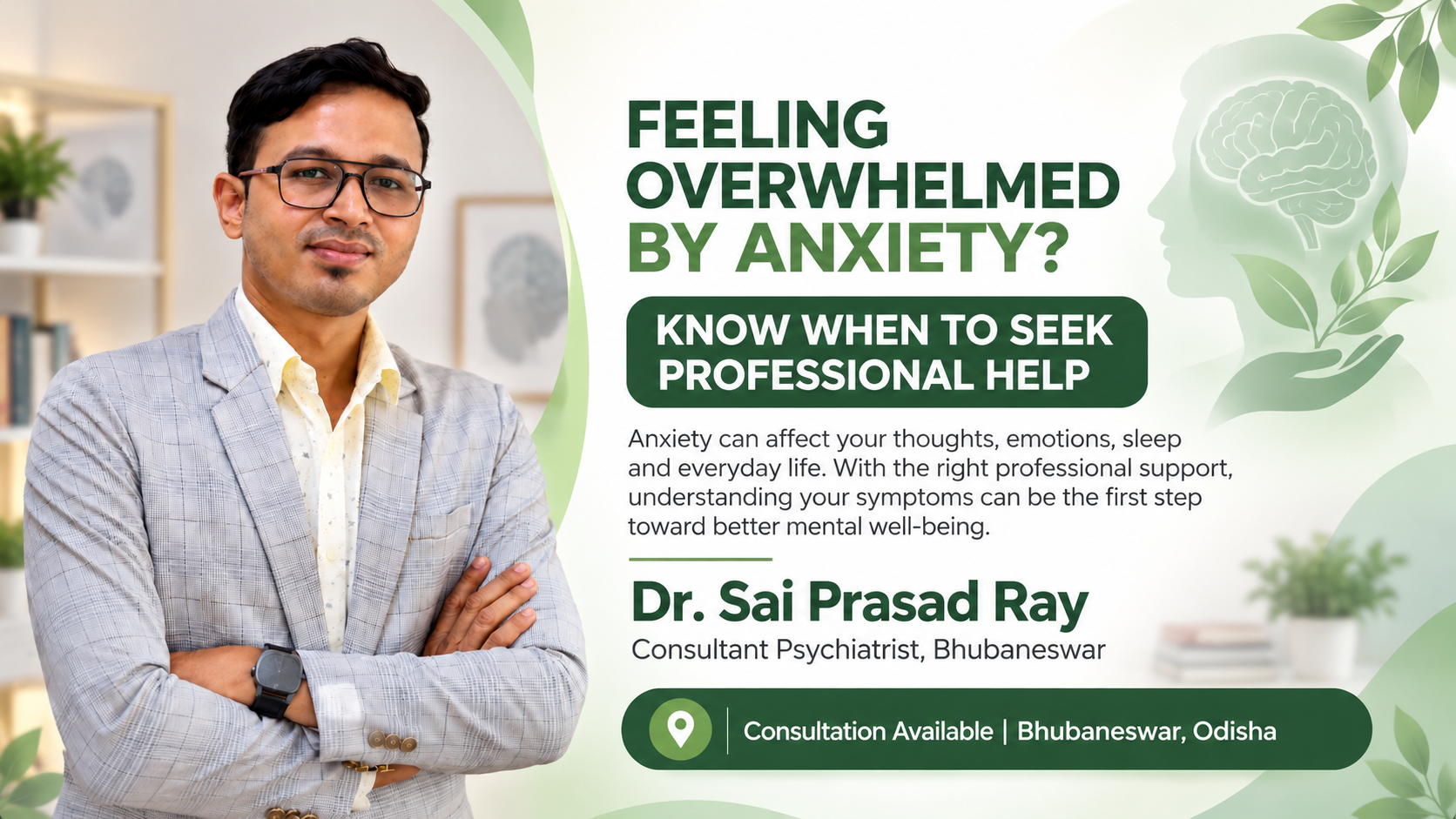
Dr. Saiprasad Ray offers confidential, non-judgmental care for sexual wellness concerns in Bhubaneswar. Whether you're facing erectile difficulties, low libido, performance anxiety, or relationship challenges If you're facing any mental health or anxiety conditions. Dr. Saiprasad Ray offers confidential, non-judgmental care in Bhubaneswar for anxiety and mental health treatments.
Visit Anandam Pyschatric and Wellness Clinic and get a professional consultation
Address :- Infront Of Odisha Hotel, Before Ravi Talkies Square, Plot No 3766, Lewis Rd, Nageswar Tangi, Old Town, Bhubaneswar, Odisha 751014
Visit Location :- https://maps.app.goo.gl/dWzFaYy2kmJgnNCf7
Book an appointment today and get a professional consultation towards your anxiety treatment