
Mental well-being is not separate from physical health it is a core part of it. How we think, feel, and handle everyday stress influences our energy, relationships, and ability to function at work and home. While no single habit can prevent or cure a mental health condition, small, consistent daily practices can support emotional balance and psychological well-being. It is important to be clear from the start when someone is living with a mental health condition. For those who need it, Mental Health Treatment in Bhubaneswar offers structured, evidence-based support from qualified professionals.
Small Daily Habits To Follow
1. Start the Day With a Consistent Routine
A predictable morning routine can create a sense of stability. Simple actions—waking at a similar time, opening the curtains to let in daylight, drinking a glass of water, and planning the day’s main tasks signal to your brain that the day has structure. People with regular daily routines have reported lower pain and fewer depressive symptoms, independent of sleep quality. The goal is not perfection but consistency.
2. Include Some Physical Activity
You do not need intense workouts. Walking, stretching, yoga, or any activity you genuinely enjoy can help. As little as 20 minutes of daily movement may strengthen resilience to stress. The key is regularity, not intensity. If mobility is limited, chair-based exercises or short walks indoors still count. Consistency matters more than duration.
3. Get Enough Quality Sleep
Sleep and mental well-being are closely connected. Aim for a regular sleep and wake schedule, even on weekends. Reduce bright screens before bedtime and create a calming wind-down routine—perhaps reading, light stretching, or quiet music. Less than six hours of sleep can significantly increase stress risk. If insomnia persists for weeks, it deserves professional evaluation rather than self-management alone.
4. Spend Time Outdoors
Time outside—even briefly—has been associated with slight reductions in anxiety and depressive symptoms in both the short and long term. Daylight helps regulate the body’s internal clock. A short walk in a park, sitting on a balcony, or simply looking outside can be part of a healthy daily routine. These are moderate, supportive effects, not treatments.
5. Stay Connected With Supportive People
Meaningful social connection is one of the strongest predictors of psychological well-being. A phone call to a friend, time with family, or participation in a community activity can break isolation and provide emotional grounding. You do not need many relationships a few supportive ones matter more than a large network.
6. Practise Mindful Breathing or Relaxation
Simple breathing exercises can calm the nervous system. Slow, purposeful breathing—such as diaphragmatic breathing or box breathing—can reduce reactivity to repetitive thoughts and ease anxiety symptoms. Even 10 minutes of daily mindfulness practice has been linked to fewer depression symptoms. These practices are supportive tools. They are not substitutes for psychiatric treatment when treatment is needed.
7. Take Short Breaks From Screens and Social Media
Excessive scrolling and digital stimulation can disrupt sleep, increase loneliness, and worsen mood. Problematic social media use has been linked to more severe depressive symptoms and anxiety in young people receiving care. Setting reasonable boundaries such as no screens during meals or an hour before bed and replacing some screen time with offline activities can protect your emotional well-being.
8. Eat Regular, Balanced Meals and Stay Hydrated
Regular meals help maintain blood sugar, which affects mood and energy. A balanced diet rich in fruits, vegetables, whole grains, and protein supports general well-being. Hydration matters too even mild dehydration can affect mood, concentration, and anxiety levels. This is general wellness advice, not a treatment for any mental illness. No specific food can cure a psychiatric condition.
9. Make Time for Activities You Enjoy
Hobbies reading, music, gardening, art, cooking, or walking provide structure and meaningful breaks from stress. Enjoyable activities are not indulgent; they are part of a healthy routine. They give the mind something to look forward to and create natural pauses in the day.
10. Set Small, Achievable Goals
Large responsibilities can feel overwhelming. Breaking them into smaller tasks—each achievable within a short time makes daily life feel more manageable. Aim for realistic progress, not perfection. Completing small tasks builds a sense of competence and reduces the mental weight of unfinished work.
When Daily Habits May Not Be Enough
Daily habits support well-being, but they are not a substitute for professional care. Consider seeking mental health support if you experience symptoms such as:
Persistent sadness or hopelessness lasting more than two weeks
Excessive or uncontrollable worry
Frequent panic attacks
Major changes in sleep or appetite
Loss of interest in activities you usually enjoy
Difficulty functioning at work, home, or in relationships
Significant mood swings
Withdrawal from friends and family
Thoughts of self-harm or suicide
Frequently Asked Questions (FAQ)
1. Can simple daily habits cure depression, anxiety, or other mental health conditions?
No. Daily habits such as sleep, exercise, balanced meals, and social connection can support mental well-being, but they cannot cure psychiatric conditions. Conditions like depression, anxiety disorders, OCD, bipolar disorder, or schizophrenia require proper assessment and treatment by a qualified mental health professional.
2. How long does it take for daily habits to improve mental well-being?
Some people notice small improvements in mood, energy, or sleep within days to weeks. However, results vary from person to person. If symptoms are persistent, worsening, or affecting your daily life, daily habits alone may not be enough—professional mental health support should be considered.
3. When should I consult a psychiatrist in Bhubaneswar?
You may consider a mental health consultation if you experience persistent sadness, uncontrollable worry, frequent panic attacks, major sleep changes, loss of interest in usual activities, difficulty functioning at work or home, social withdrawal, or significant mood changes.
4. What does Mental Health Treatment in Bhubaneswar usually involve?
Treatment is personalised. It may include a detailed assessment, therapy, medication if clinically indicated, lifestyle guidance, and regular follow-up. The exact plan depends on the person’s symptoms, diagnosis, history, and individual needs.
5. Are breathing exercises enough to manage panic attacks?
Breathing and relaxation exercises can help reduce immediate distress and support emotional well-being. However, if panic attacks are frequent, intense, or interfering with daily life, they need professional evaluation.
6. Can I improve my mental well-being without medication?
Many people benefit from therapy, healthy daily habits, stress management, and social support. However, if a qualified professional recommends medication, it is usually based on a careful clinical assessment.
Conclusion
Better mental well-being is built one day at a time. Consistent routines, physical activity, quality sleep, time outdoors, meaningful connections, mindful breathing, limited screen time, balanced meals, enjoyable hobbies, and realistic goals can all support emotional well-being. If you have been experiencing persistent or disruptive symptoms, consider consulting a qualified mental health professional. Mental Health Treatment in Bhubaneswar can offer structured, evidence-based support tailored to your needs. Seeking help is a responsible and empowering step. With the right combination of daily habits and professional guidance, many people can move toward better psychological well-being.
When to Consider Mental Health Treatment in Bhubaneswar
Mental Health Treatment in Bhubaneswar may be appropriate when symptoms are persistent, distressing, or affecting your ability to function. Treatment is not one-size-fits-all. It varies depending on the person’s symptoms, diagnosis, history, and individual needs. A mental health consultation can help clarify what kind of mental health support would be most suitable whether that involves therapy, medication, lifestyle guidance, or a combination.
Meet Your Mental Health Doctor : Dr Saiprasad Ray
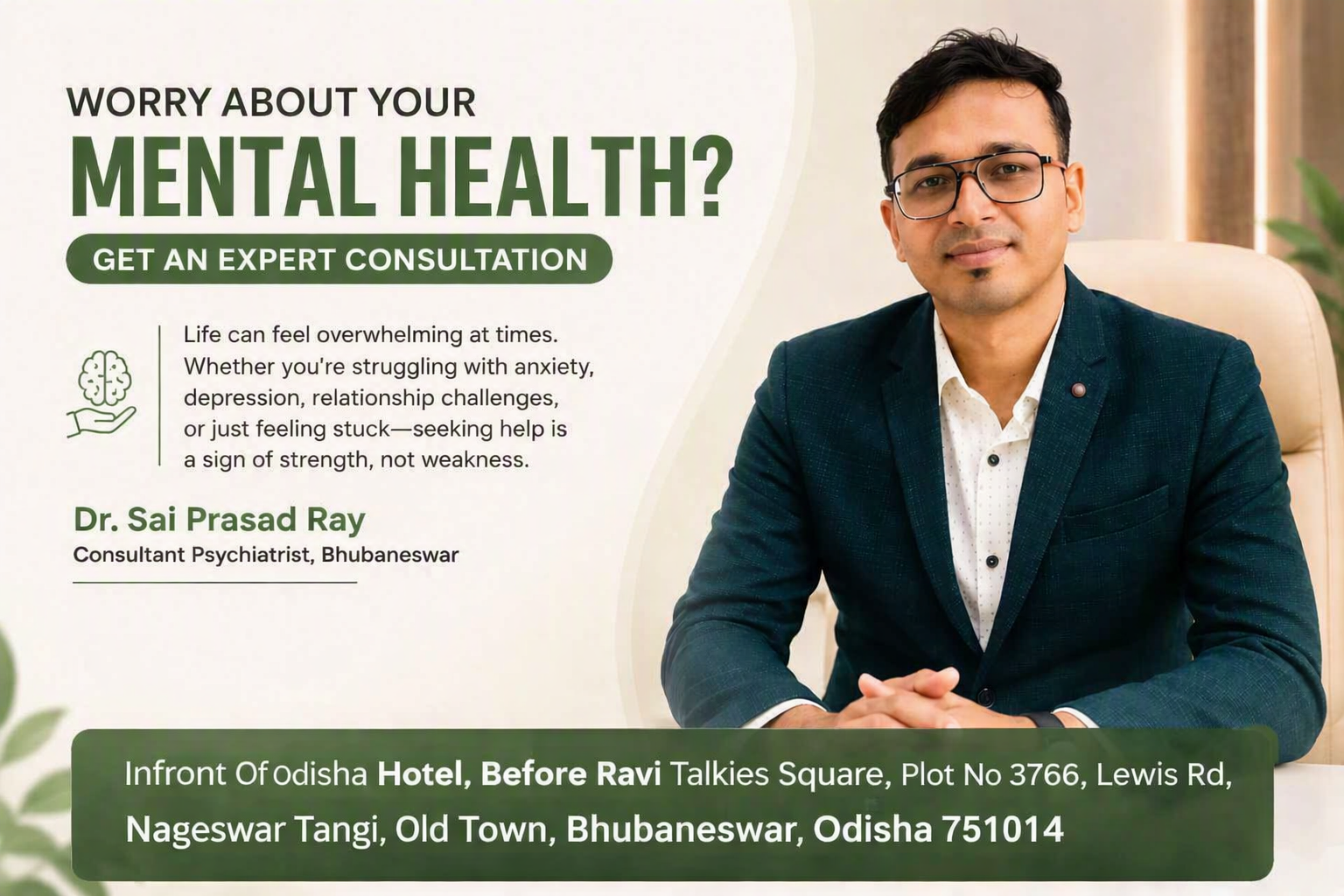
Meet Dr. Saiprasad Ray, is a compassionate and experienced Psychiatrist dedicated to helping individuals improve their mental health and overall quality of life. He believes that effective psychiatric care starts with listening carefully to each patient, understanding their concerns, and creating a comfortable environment where they can speak openly.
Visit Anandam Psychiatric and Wellness Clinic and Book Your Consultation Today
Address :- Infront Of Odisha Hotel, Before Ravi Talkies Square, Plot No 3766, Lewis Rd, Nageswar Tangi, Old Town, Bhubaneswar, Odisha 751014.
Visit Location:- https://maps.app.goo.gl/dWzFaYy2kmJgnNCf7
Book an appointment today and get a professional consultation towards your mental health.