
Pregnancy is often described as one of the happiest phases in a woman's life. Families celebrate, baby shopping begins, and everyone expects the mother-to-be to feel excited all the time . But for many women, this journey can also bring emotional struggles that are rarely discussed openly. Some mothers feel constantly worried. Others feel emotionally exhausted, disconnected, or unusually low without understanding why. Many silently struggle because they feel guilty admitting they are not enjoying every moment of pregnancy.
The truth is, mental health during pregnancy is just as important as physical health. Anxiety and depression during pregnancy are common, treatable, and nothing to feel ashamed about . Recognizing the signs early can help expecting mothers receive the support and care they truly need. If you are quietly relating to these feelings, please know that you are not alone. For those in need of professional support, pregnancy counselling in Bhubaneswar is available through qualified mental health professionals who can help.
What Is Mental Health During Pregnancy?
Mental health during pregnancy refers to a woman's emotional, psychological, and social well-being throughout the antenatal period. While physical changes are expected and closely monitored, emotional changes often go unnoticed or are dismissed as "normal mood swings." However, mental health challenges can occur at any point during pregnancy and may affect how a woman thinks, feels, and manages daily life .
As many as 1 in 5 women experience emotional difficulties during pregnancy . These challenges can range from mild anxiety to more serious conditions like depression. Understanding that these struggles are medical conditions, not personal failings, is essential for seeking help .
Common Emotional and Mental Health Challenges
Pregnancy brings significant physical, emotional, and lifestyle changes. It is normal to experience occasional worry, stress, or mood changes. However, when these feelings become persistent or interfere with daily functioning, they may indicate a mental health concern.
Common emotional and mental health challenges during pregnancy include:
Anxiety and excessive worry – Constant fear about the baby's health, labour, or parenting abilities
Persistent sadness or low mood – Feeling tearful, hopeless, or disconnected
Depression – Loss of interest in activities, fatigue, and difficulty enjoying things
Sleep difficulties – Trouble sleeping even when tired, or sleeping too much
Irritability and anger – Feeling unusually short-tempered or frustrated
Intrusive thoughts – Worrying thoughts about the baby that feel difficult to control
Feelings of incompetency – Persistent thoughts that you are not a good enough parent
Research shows that family-centered antenatal counselling can significantly reduce anxiety among pregnant women. In one study, 87.91% of women receiving structured counselling reported minimal anxiety, compared to only 38.82% in the routine care group .
Signs That You May Need Professional Support
While mood swings and mild worry are common during pregnancy, certain signs indicate that professional support may be beneficial. You should consider reaching out to a healthcare provider if you experience:
Persistent low mood or sadness that lasts more than two weeks and does not improve
Constant worry or fear that interferes with daily activities
Trouble sleeping or eating that affects your physical health
Feeling disconnected from your pregnancy or baby
Thoughts of self-harm or harming the baby – this requires immediate attention
Loss of interest in activities you previously enjoyed
Changes in behaviour noted by family, partner, or friends
Do not ignore these signs. Early awareness enables families and healthcare providers to respond before symptoms become more serious. Untreated depression can affect emotional health, infant development, and the parent-child bond .
How Pregnancy Counselling Can Help
Professional counselling during pregnancy provides a safe, non-judgmental space to discuss your feelings and concerns. A trained mental health professional can help you:
Understand your emotions – Identify triggers and patterns
Develop coping strategies – Learn techniques to manage stress and anxiety
Address specific fears – Discuss concerns about labour, parenting, or relationship changes
Build a support network – Involve partners or family members in a constructive way
Connect with resources – Access additional support services when needed
Studies have demonstrated that structured counselling sessions significantly reduce pregnancy-related anxiety. In one intervention programme, women who received four counselling sessions over eight weeks showed a substantial decrease in anxiety scores, while the control group's anxiety increased .
Counselling may include approaches such as Cognitive Behavioural Therapy (CBT), which helps identify and change unhelpful thought patterns, or supportive therapy that provides reassurance and guidance. Many services prioritize perinatal clients to ensure timely access to care . If you are struggling emotionally, pregnancy counselling in Bhubaneswar can provide the professional support you need.
Simple Ways to Support Mental Wellbeing During Pregnancy
In addition to professional support, there are practical steps you can take to care for your mental health during pregnancy:
Talk to someone you trust – Sharing your feelings with a partner, family member, or friend can provide comfort and perspective
Prioritize rest – Ensure adequate sleep and rest, as fatigue can worsen mood symptoms
Maintain a healthy routine – Balanced meals and light physical activity can improve overall well-being
Practice relaxation techniques – Gentle breathing exercises or mindfulness can help calm the mind
Limit stress where possible – Identify sources of stress and discuss ways to reduce them
Engage in activities you enjoy – Spending time on hobbies can lift your spirits
Stay informed but avoid overloading – Read about pregnancy but set boundaries if information becomes overwhelming
Connect with your baby – Talking to your baby, gentle touch, or listening to calming music can strengthen emotional bonding
Remember: These tips complement professional care. They are not a substitute for medical or psychological support when needed.
When Should You Seek Help?
The best time to seek help is as soon as you feel something is not right. The sooner you get support, the better it will be for your health and your baby . You do not have to wait until symptoms become severe.
You should seek professional help if:
You notice any of the warning signs listed above
Your family or partner expresses concern about your mood or behaviour
You have a history of depression, anxiety, or other mental health conditions, as pregnancy can trigger recurrence
You have experienced trauma, pregnancy loss, or a difficult pregnancy
You simply feel that something is off and you want reassurance
Healthcare professionals routinely screen for mental health concerns during pregnancy, but you can also take the initiative to discuss your well-being openly. Let your doctor know if you are struggling they are there to help, not to judge.
Conclusion
Pregnancy is a time of profound change, and it is natural to experience a range of emotions. However, persistent sadness, anxiety, or overwhelming worry are not just "normal pregnancy symptoms" they may be signs that you need professional support. Mental health during pregnancy deserves the same attention as physical health. Recognizing the signs early and seeking appropriate care can make a significant difference to both you and your baby.
Remember, asking for help does not mean you cannot cope or cannot care for your child. It is a sign of strength, not weakness . If you are in Bhubaneswar and struggling emotionally during your pregnancy, consider reaching out for pregnancy counselling in Bhubaneswar. Professional support can help you navigate this journey with confidence and peace of mind.
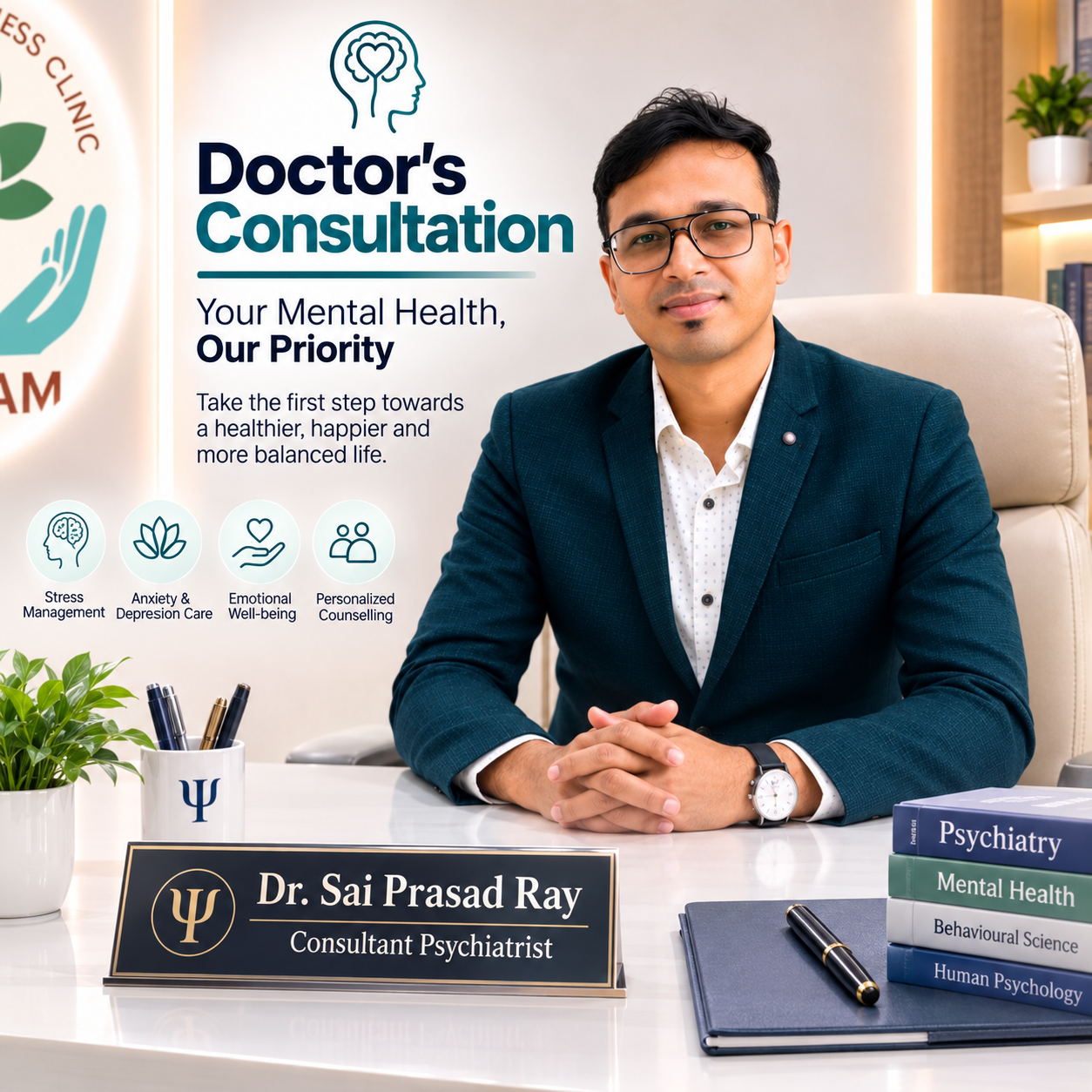
Dr Sai Prasad Ray
Consultant Psychiatrist MBBS, MD Psychiatry
Clinic name :-
Anandam Psychiatry & Wellness Clinic in Bhubaneswar
Address: Infront Of Odisha Hotel, Before Ravi Talkies Square, Plot No 3766, Lewis Rd, Nageswar Tangi, Old Town, Bhubaneswar, Odisha 751014
Call: +91 9337132129
Disclaimer:- The information provided in this blog is intended for general educational and informational purposes only. It is not intended to replace professional medical advice, diagnosis, or treatment from a qualified healthcare professional.