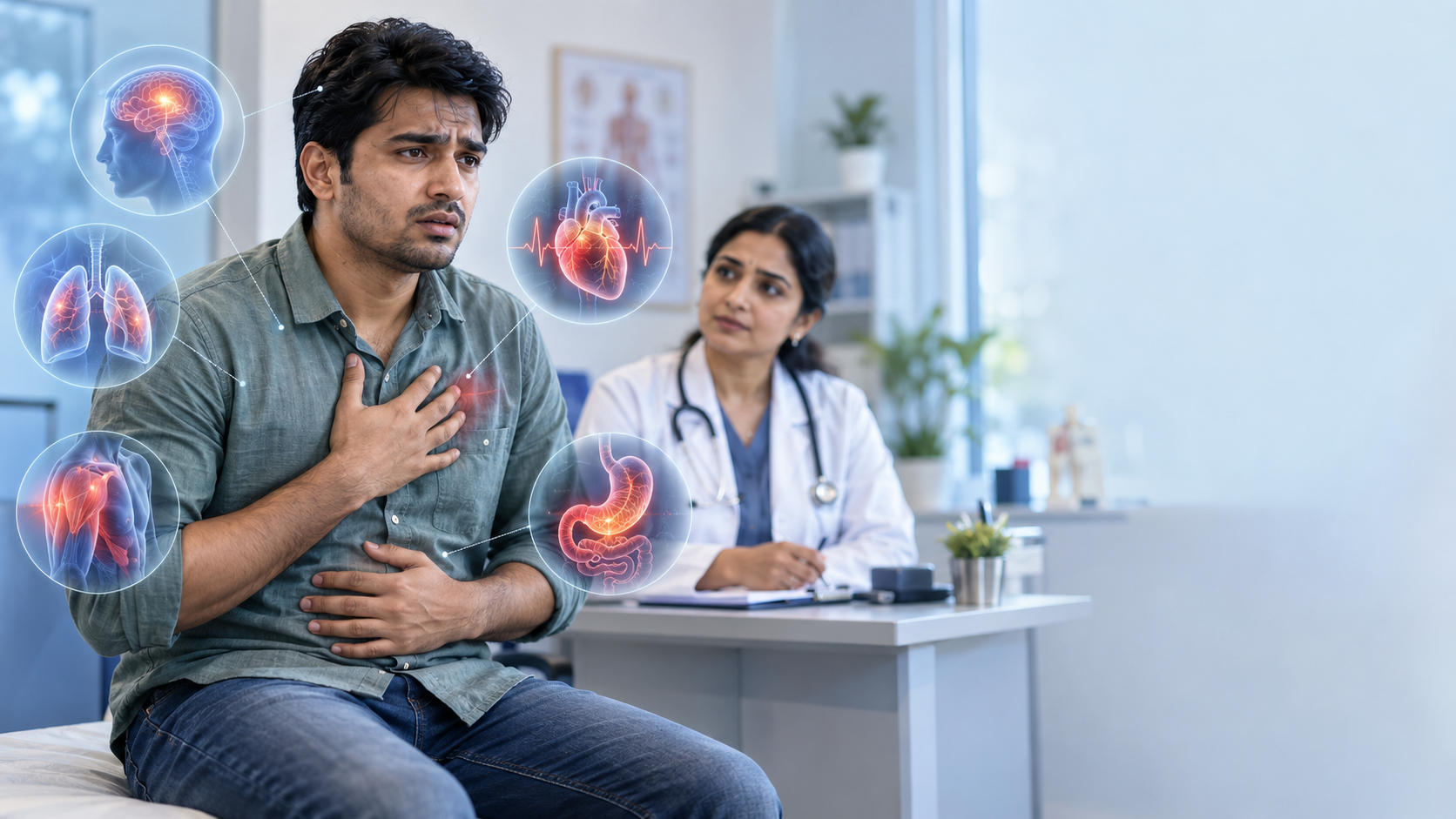
Your heart suddenly races. Your chest feels tight, and you struggle to catch your breath. Dizziness washes over you, and your stomach churns with unease. You wonder if something is seriously wrong with your heart or lungs. Could this be anxiety, or is it something more serious?
These experiences are more common than you might think. Anxiety doesn't just affect your mind it can produce genuine physical symptoms that feel alarming and overwhelming. The body's stress-response system influences multiple organ systems, creating sensations that can mimic other medical conditions. However, not every physical symptom is caused by anxiety. Some symptoms overlap with heart conditions, respiratory issues, and other health problems. Persistent, severe, or new symptoms deserve proper medical evaluation. Consulting an Anxiety Specialist in Bhubaneswar can help you understand what's happening and find appropriate support.
What Are the Physical Symptoms of Anxiety?
Anxiety activates the body's fight-or-flight response a survival mechanism designed to protect you from danger. When this response triggers, stress hormones flood your system, preparing you to face a threat or escape from it. Even without real danger, this response can create noticeable physical sensations.
Common physical signs of anxiety include:
Rapid heartbeat or palpitations
Sweating
Shaking or trembling
Muscle tension
Headaches
Dizziness or lightheadedness
Shortness of breath or rapid breathing
Chest discomfort
Stomach discomfort or nausea
Changes in bowel habits
Fatigue
Sleep difficulties
Tingling or numbness in extremities
Feeling unusually restless
Not everyone with anxiety experiences all these symptoms. Some people notice mainly physical sensations, while others experience more emotional or cognitive symptoms.
How Anxiety Can Affect Different Parts of the Body
Understanding how anxiety affects the body can help you recognize what's happening and respond appropriately.
Heart and Circulation
Anxiety can temporarily increase heart rate and cause noticeable heartbeats, often described as palpitations. Stress hormones like adrenaline prepare your body for action, making your heart work harder. While these sensations can feel frightening, they're usually temporary. However, anxiety and heart palpitations can sometimes resemble heart conditions, which is why persistent or worsening symptoms should be evaluated medically.
Breathing
Rapid or shallow breathing during anxiety can contribute to breathlessness, chest tightness, or lightheadedness. When you breathe quickly, you may not take in enough oxygen or exhale enough carbon dioxide, leading to dizziness and tingling sensations. Anxiety and shortness of breath can feel identical to breathing problems from other causes, so ongoing difficulties warrant professional assessment.
Digestive System
Stress and anxiety can significantly influence the gut through what researchers call the gut-brain axis—a communication pathway between your brain and digestive system. This connection may contribute to nausea, abdominal discomfort, bloating, or changes in bowel habits. Some people experience "butterflies" in their stomach, while others develop constipation or diarrhea during stressful periods.
Muscles and Nervous System
Prolonged stress can contribute to muscle tension, particularly in the neck, shoulders, and jaw. This tension may lead to tension headaches or migraines. Anxiety and muscle tension often go hand in hand, and chronic muscle tightness can cause trembling, tingling sensations, or persistent fatigue.
Physical Symptoms You Should Never Ignore
People with anxiety sometimes assume that any concerning physical symptom must be "just anxiety." This assumption can be dangerous. Some symptoms may indicate serious medical conditions requiring immediate attention.
Seek urgent medical attention if you experience:
New or severe chest pain that feels like pressure, squeezing, or burning
Severe difficulty breathing that doesn't improve
Fainting or loss of consciousness
Sudden weakness or numbness in your face, arm, or leg
Sudden confusion or difficulty speaking
Severe or unusual headache that comes on suddenly
Persistent or worsening palpitations
Symptoms that are new, severe, or significantly different from your previous experiences
Physical symptoms occurring alongside other concerning signs
Never assume that chest pain, breathing difficulties, or neurological symptoms are anxiety without proper medical evaluation. Emergency care providers can rule out life-threatening conditions and provide appropriate treatment.
Anxiety Symptoms vs Other Medical Conditions
Anxiety and physical health conditions can produce overlapping symptoms. Chest discomfort, breathlessness, dizziness, palpitations, fatigue, and gastrointestinal problems can have multiple possible causes.
Key point: Anxiety should not be used as a self-diagnosis for unexplained or persistent physical symptoms.
Heart attacks, thyroid disorders, anemia, arrhythmias, and respiratory conditions can all create sensations similar to anxiety. Healthcare professionals can assess your symptoms, review your medical history, and order appropriate tests to identify the actual cause.
When Should You Seek Professional Help for Anxiety?
Consider speaking with a healthcare or mental health professional if:
Physical symptoms occur frequently
Anxiety interferes with work, relationships, sleep, or daily activities
Persistent worry feels difficult to control
You avoid normal activities because of anxiety
You experience repeated panic-like episodes
Symptoms continue despite self-care efforts
You're concerned that physical symptoms may have another medical cause
Professional assessment can help determine whether symptoms relate to anxiety, another health condition, or a combination of factors. The National Institute of Mental Health notes that when anxiety starts causing problems in everyday life, it's time to seek help.
What Happens During a Professional Evaluation?
A healthcare professional may:
Discuss your medical and symptom history
Perform a physical examination when appropriate
Ask about stress, sleep, lifestyle, medications, and other factors
Assess mental health symptoms, including worry patterns and mood
Order additional tests when clinically indicated
This comprehensive approach helps ensure accurate diagnosis and appropriate care planning.
What Can Help Manage Anxiety-Related Physical Symptoms?
General strategies that may support anxiety management include:
Regular physical activity to release tension and improve mood
Consistent sleep habits with regular bedtimes and wake times
Balanced nutrition with regular meals
Limiting excessive caffeine when it worsens symptoms
Relaxation or breathing exercises like slow exhaling techniques
Mindfulness practices to ground yourself in the present moment
Maintaining social connections with supportive people
Seeking professional support when needed
These strategies are not a substitute for professional care, especially when symptoms are severe or persistent.
Common Mistakes to Avoid
Ignoring persistent physical symptoms—they deserve evaluation
Assuming every symptom is anxiety—other conditions exist
Searching online and self-diagnosing—this can increase worry
Excessively monitoring bodily sensations—this can worsen anxiety
Avoiding professional help due to stigma or fear
Relying entirely on home remedies when symptoms are severe
Frequently Asked Questions(FAQ)
1. What are the most common physical symptoms of anxiety?
Ans :- Common symptoms include rapid heartbeat, sweating, trembling, muscle tension, headaches, dizziness, shortness of breath, chest discomfort, stomach issues, and fatigue. Not everyone experiences all symptoms. The pattern and intensity can vary significantly between individuals and across different situations.
2. Can anxiety cause chest pain?
Ans :- Yes, anxiety can cause chest discomfort or pain, often described as tightness or pressure. However, chest pain can also indicate heart problems or other serious conditions. Because symptoms overlap significantly, new or severe chest pain should always be evaluated medically before attributing it to anxiety.
3. Can anxiety cause dizziness and shortness of breath?
Ans :- Anxiety can contribute to both dizziness and shortness of breath through rapid breathing and changes in blood flow. These symptoms occur because the fight-or-flight response affects circulation and respiration. However, persistent or severe breathing difficulties may have other causes requiring medical assessment.
4. Can anxiety cause heart palpitations?
Ans :- Yes, anxiety commonly causes palpitations—sensations of rapid, fluttering, or pounding heartbeats. Stress hormones increase heart rate and force. While usually harmless when related to anxiety, persistent palpitations should be evaluated to rule out heart rhythm problems or other cardiac issues.
5. How do I know if my physical symptoms are caused by anxiety?
Ans :- You cannot reliably determine this on your own. Only a qualified healthcare professional can assess whether symptoms are anxiety-related, caused by another condition, or involve both. If symptoms are new, persistent, severe, or concerning, seek medical evaluation rather than self-diagnosing.
6. When should I seek professional help for anxiety?
Ans :- Seek help when anxiety interferes with daily life, when symptoms are frequent or intense, or when you're concerned about physical symptoms. Professional support can help clarify what's happening and guide appropriate treatment. Early intervention often leads to better outcomes.
Conclusion
Anxiety can produce genuine physical symptoms that affect your heart, breathing, digestion, muscles, and nervous system. These sensations are real, not imagined. However, unexplained, severe, persistent, or unusual symptoms should not automatically be attributed to anxiety. Other medical conditions can produce similar symptoms. If physical symptoms concern you or interfere with daily life, seeking professional evaluation is a responsible step. Consulting an Anxiety Specialist in Bhubaneswar can provide accurate assessment and appropriate support.
Feeling Overwhelmed? It's Time to get expert consultation For Your Anxiety
Persistent worry, racing thoughts, or physical symptoms disrupting your daily life? You don't have to manage alone. Seek professional support to understand what's happening and explore effective, evidence-based care options. Early help can make a meaningful difference.
Meet Your Doctor: Dr. Saiprasad Ray
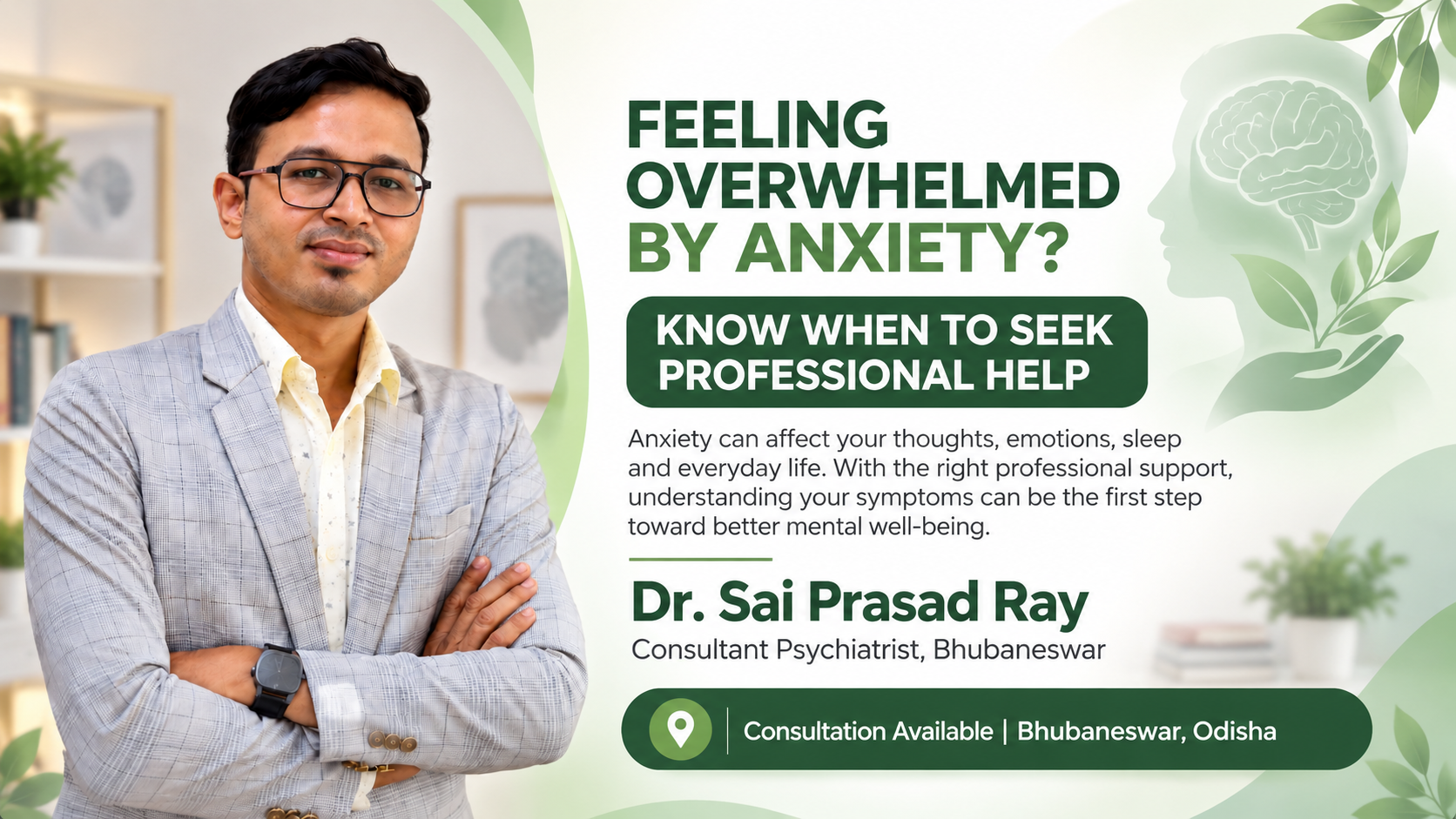
Dr. Saiprasad Ray is a compassionate and experienced psychiatrist dedicated to helping individuals navigate mental health challenges with confidence and clarity. He believes that every person's journey i unique, and effective care begins with truly listening understanding not just the symptoms, but the whole person behind them.
With a patient-first approach, Dr. Ray combines evidence-based psychiatric treatment with a warm, non-judgmental environment where you can speak openly about your concerns. Whether you're dealing with anxiety, stress, mood difficulties, or other mental health conditions, his focus remains on guiding you toward lasting relief and improved well-being.
His commitment to ethical, transparent, and personalized care has made him a trusted name for mental health support in Bhubaneswar. If you've been feeling overwhelmed, uncertain, or unsure where to begin, seeking expert guidance can be the most important step you take.
Anandam Psychiatric and Wellness Clinic
Address: Infront Of Odisha Hotel, Before Ravi Talkies Square, Plot No 3766, Lewis Rd, Nageswar Tangi, Old Town, Bhubaneswar, Odisha 751014.
Call: +91 93371 32129.