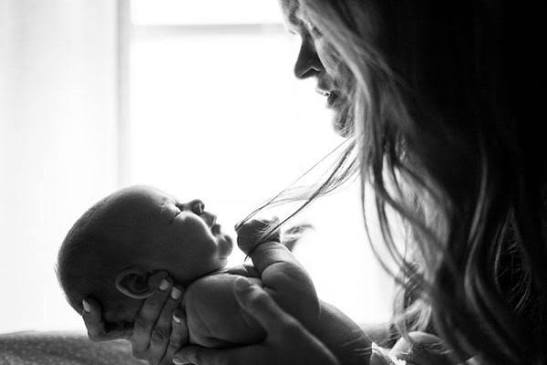
She Smiled for Everyone... But Cried Alone Every Night
Everyone congratulated her.
"Congratulations! It's a baby girl."
Her family was celebrating.
Visitors kept coming.
Everyone said,
"Motherhood is the happiest phase of life."
But nobody noticed something was changing.
She stopped smiling.
She couldn't sleep.
She cried without any reason.
She felt guilty.
She couldn't connect with her baby.
She even wondered...
"Am I a bad mother?"
If this story feels familiar, please know one thing:
You are not alone.
What you may be experiencing is Postpartum Depression (PPD)—a common yet treatable mental health condition that affects many new mothers after childbirth.
At Anandam Psychiatry & Wellness Clinic, Bhubaneswar, Dr. Sai Prasad Ray helps mothers regain emotional well-being through compassionate, evidence-based psychiatric care and psychotherapy.
What Is Postpartum Depression?
Postpartum Depression is more than feeling tired after childbirth. It is a medical condition that affects emotions, thoughts, energy, sleep, and the ability to care for yourself or your baby.
Unlike the "baby blues," which usually resolve within two weeks, postpartum depression can persist for months if left untreated. The good news is that recovery is possible with timely support.
Baby Blues vs Postpartum Depression
Baby BluesPostpartum DepressionLasts a few daysLasts weeks or monthsMild mood swingsSevere sadnessEmotional but manageableDifficulty functioningImproves naturallyRequires professional careDoesn't interfere muchCan affect bonding and daily life
Common Symptoms of Postpartum Depression
You may experience:
Persistent sadness or emptiness
Crying frequently without a clear reason
Feeling disconnected from your baby
Loss of interest in activities you once enjoyed
Difficulty sleeping, even when the baby sleeps
Extreme fatigue
Feelings of guilt or worthlessness
Increased anxiety or panic attacks
Irritability or anger
Difficulty concentrating
Loss of appetite or overeating
Thoughts of self-harm or harming the baby (requires immediate medical attention)
Why Does Postpartum Depression Happen?
Several factors may contribute:
Hormonal Changes — After delivery, estrogen and progesterone levels drop rapidly, affecting brain chemistry.
Emotional Adjustment — Becoming a mother is a major life transition.
Sleep Deprivation — Continuous sleep interruptions significantly impact mental health.
Previous Mental Health Conditions — Women with prior anxiety or depression are at greater risk.
Lack of Family Support — Feeling isolated can worsen emotional distress.
Stressful Pregnancy or Delivery — Complications during pregnancy or childbirth can increase vulnerability.
When Should You Seek Help?
Please consult a psychiatrist if:
Symptoms continue for more than two weeks
You feel overwhelmed most days
You struggle to care for yourself or your baby
Anxiety interferes with daily life
Relationships are becoming strained
You experience hopelessness or thoughts of self-harm
Early treatment leads to faster recovery.
How Dr. Sai Prasad Ray Helps Mothers Recover
At Anandam Psychiatry & Wellness Clinic, treatment is tailored to each individual.
Comprehensive Psychiatric Assessment
Understanding your symptoms, emotional challenges, medical history, and support system.
Psychotherapy & Counselling
Evidence-based therapies help you:
Manage negative thoughts
Improve emotional resilience
Reduce anxiety
Strengthen confidence as a mother
Medication (When Required)
Safe and carefully selected medications may be recommended when clinically appropriate, considering breastfeeding and individual circumstances.
Family Counselling
Helping partners and family members understand postpartum depression and provide meaningful support.
Lifestyle Guidance
Better sleep strategies
Nutrition
Stress management
Emotional wellness
Self-care routines
Can Postpartum Depression Be Prevented?
Although prevention isn't always possible, these habits can reduce risk:
Accept help from loved ones
Rest whenever possible
Eat nutritious meals
Share your emotions
Stay physically active after medical clearance
Avoid comparing yourself with others on social media
Seek professional support early
Frequently Asked Questions
Is postpartum depression common?
Yes. Many women experience postpartum depression after childbirth. It is a recognized medical condition and is treatable.
Will it go away on its own?
Some mild emotional changes improve naturally, but persistent symptoms usually require professional treatment.
Can fathers experience postpartum depression?
Yes. Partners may also experience depression or emotional distress after the birth of a child.
Can I continue breastfeeding during treatment?
Many women can continue breastfeeding while receiving treatment. Decisions regarding medication should always be made in consultation with your psychiatrist.
How long does recovery take?
Recovery varies for each individual. With timely intervention, many women experience significant improvement over weeks to months.
Why Choose Dr. Sai Prasad Ray?
✔ MD Psychiatry
✔ Psychotherapist & Counsellor
✔ Assistant Professor, IMS & SUM Hospital
✔ Expertise in Women's Mental Health
✔ Compassionate & Confidential Care
✔ Evidence-Based Treatment Plans
✔ Personalized Counselling for Mothers and Families
Take the First Step Toward Healing
Motherhood is not about being perfect. It's about asking for help when you need it.
If you or someone you love is struggling after childbirth, remember: Postpartum Depression is treatable, and recovery is possible.
Call / WhatsApp: 9337132129
📍 Anandam Psychiatry & Wellness Clinic, Near Ravi Talkies Square, Lewis Road, Bhubaneswar, Odisha
Schedule Your Appointment Today
Don't suffer in silence. Compassionate, confidential, evidence-based mental healthcare is just one conversation away.