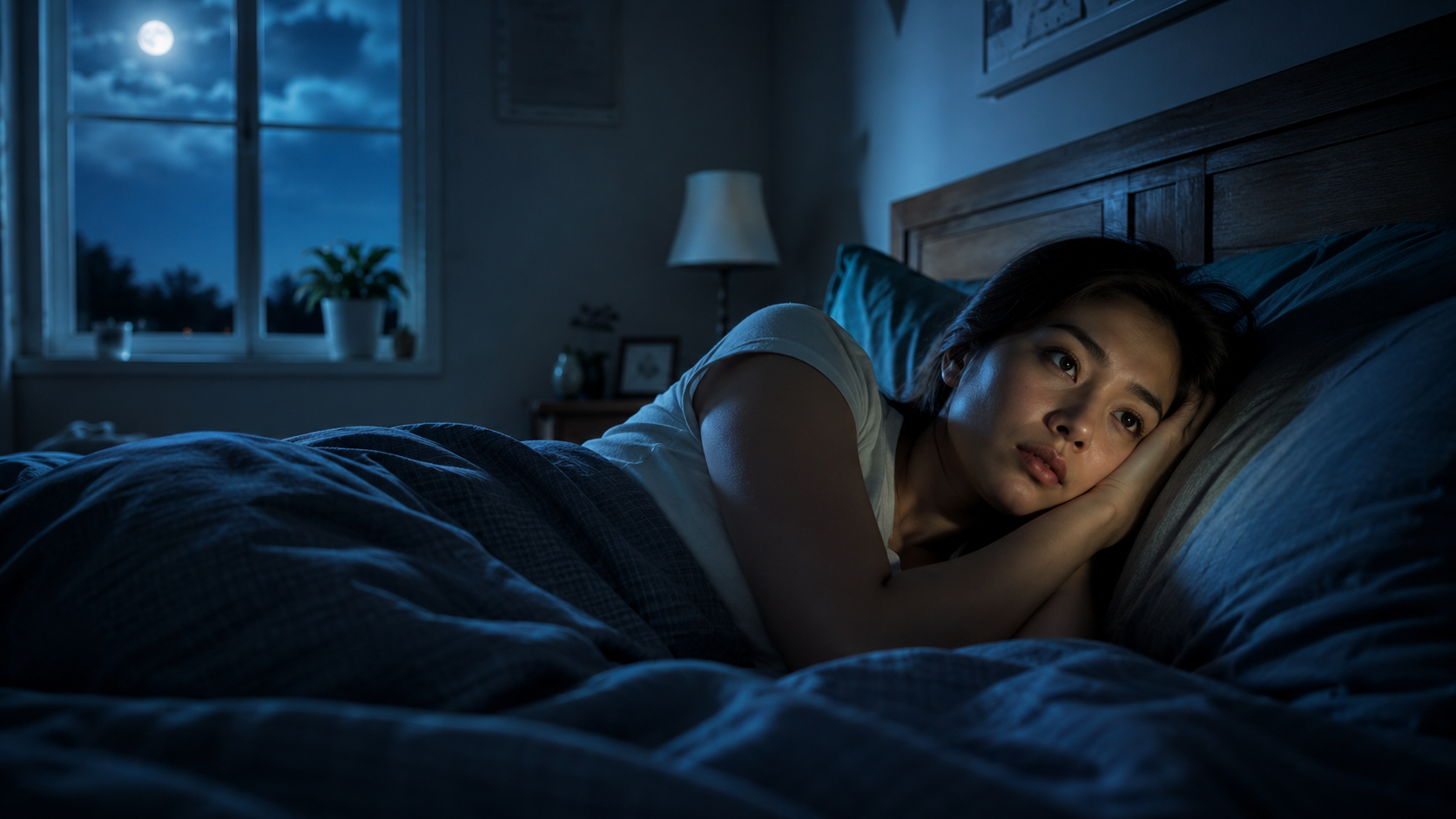
Have you ever lain in bed, exhausted after a long day, only to feel your mind suddenly race with worries? Your heart pounds, your thoughts spiral, and sleep feels impossibly far away. You're not imagining things anxiety really does tend to feel worse at night.
This phenomenon is incredibly common. Studies have found that anxiety and depression symptoms are often worse late in the day. At night, when distractions disappear and the world goes quiet, anxious thoughts can take center stage. What felt manageable during the day can suddenly feel overwhelming in the darkness.
If this sounds familiar, understanding why it happens is the first step toward relief. In this guide, we'll explore the science behind nighttime anxiety, practical strategies to calm your mind, and when it's time to seek help from a qualified professional like the best psychiatric doctor in Bhubaneswar.
What Is Nighttime Anxiety?
Nighttime anxiety refers to feelings of worry, fear, or unease that intensify during the evening and nighttime hours. It can take several forms:
Pre-sleep anxiety: Racing thoughts and worry that make it hard to fall asleep
Nocturnal panic attacks: Sudden episodes of intense fear that wake you from sleep
Sleep anxiety: Fear or worry about not being able to sleep
Middle-of-the-night awakenings: Waking up with a racing heart or overwhelming dread
Doctor's Note :- Night time anxiety is real, common, and treatable. It affects people of all ages and can significantly impact sleep quality, daytime functioning, and overall well-being.
Why Does Anxiety Feel Worse at Night?
Several factors work together to make anxiety more intense after dark:
1. Fewer Distractions
During the day, your mind is occupied with work, conversations, tasks, and social interactions. At night, all of that stops. With fewer distractions, your brain has more time and space to focus on worries, problems, and fears. The quiet of the night can amplify negative emotions.
2. Circadian Rhythm and Hormones
Your body follows a natural 24-hour cycle called the circadian rhythm. This rhythm regulates the release of cortisol, your primary stress hormone.
Normally, cortisol peaks in the morning to help you wake up and gradually decreases throughout the day, reaching its lowest point around midnight. However, chronic anxiety can disrupt this pattern, keeping cortisol levels elevated at night. When cortisol is high at bedtime, your body remains in a state of alertness, making relaxation and sleep difficult.
Research has shown that people with greater anxiety symptoms tend to have relatively higher levels of cortisol in the evening. High evening cortisol levels are also associated with symptoms of stress and poor health.
3. The "Doomscrolling" Effect
Exposure to screens and blue light at night has been shown to promote anxiety. Social media, news, and emails can introduce new worries right before bed. The content you consume at night especially stressful or negative information can fuel anxious thoughts and keep your mind active when it should be winding down.
4. Stress and Unresolved Worries
When you're lying in bed with nothing to distract you, the worries you pushed aside during the day have a chance to resurface. Chronic or unresolved stress is a major contributor to nighttime anxiety.
5. Sleep Disruption Cycle
Poor sleep can worsen anxiety, and anxiety can worsen sleep. This creates a vicious cycle. Undiagnosed sleep disorders, such as sleep apnea or chronic sleep deprivation, can also cause or worsen anxiety.
6. Sense of Isolation
Simply knowing that others are sleeping soundly while you're awake and anxious can create a sense of isolation that worsens night time anxiety.
Common Symptoms of Night time Anxiety
Nighttime anxiety can cause a range of physical and emotional symptoms:
Physical Symptoms:
Rapid heart rate or palpitations
Shortness of breath or changes in breathing
Chest tightness or pain
Sweating
Trembling or shaking
Aches and pains
Flushing or chills
Emotional and Mental Symptoms:
Racing thoughts that won't stop
Overwhelming worry or dread
Feeling jittery or on edge
Difficulty falling or staying asleep
Catastrophic thinking
Nocturnal Panic Attacks: Some people experience nocturnal panic attacks sudden episodes of intense fear that wake them from sleep. These can be particularly frightening because they occur without an obvious trigger.
Risk Factors for Night time Anxiety
Several factors can increase your risk of experiencing anxiety at night:
Family history of anxiety disorders
Chronic stress or unresolved trauma
Poor sleep habits and inconsistent routines
Excessive caffeine or alcohol consumption
Certain medications
Underlying sleep disorders such as sleep apnea
Excessive screen time and social media use at night
Anxiety disorders or depression
How Is Night time Anxiety Diagnosed?
If you're experiencing persistent nighttime anxiety, a mental health professional can help determine the underlying cause and recommend appropriate treatment.
During a consultation, a psychiatrist may:
Ask about your symptoms, including when they occur and how they affect your sleep
Review your medical history and any medications you're taking
Ask about your sleep habits, daily routine, and stress levels
Screen for underlying conditions such as sleep disorders, thyroid problems, or other medical issues that could be contributing to your symptoms
If you're in Bhubaneswar, consulting the best psychiatric doctor in Bhubaneswar can provide you with a thorough evaluation and a personalized treatment plan.
Treatment Options for Nighttime Anxiety
Nighttime anxiety is highly treatable. Here are the most effective approaches:
1. Cognitive Behavioral Therapy (CBT)
CBT is a well-established, evidence-based treatment for anxiety. Cognitive Behavioral Therapy for Insomnia (CBT-I) is considered the gold standard for treating chronic insomnia and has been shown to effectively reduce both sleep problems and associated anxiety.
CBT-I focuses on:
Addressing the thoughts and behaviors that keep sleep problems going
Strengthening sleep patterns
Reducing physiological arousal and bedtime worry
Retraining the brain to associate bed with rest instead of stress
CBT has been shown to effectively reduce nocturnal panic attacks in people with panic disorders.
2. Medications
When appropriate, medications can help reduce anxiety symptoms and improve sleep. A psychiatrist can determine whether medication is right for you and prescribe the most suitable option.
3. Relaxation Techniques
Relaxation techniques relieve stress and anxiety by calming both your mind and body. Effective techniques include:
Deep breathing exercises
Progressive muscle relaxation
Meditation and mindfulness
Guided imagery
4. Sleep Hygiene Improvements
Good sleep hygiene can significantly reduce nighttime anxiety:
Create a calming bedtime environment
Dim the lights and avoid blue light from screens about an hour before bed
Maintain a consistent sleep schedule
Avoid caffeine at least 10 hours before bedtime
Limit alcohol consumption
5. Lifestyle Changes
Regular exercise can reduce anxiety levels and improve sleep quality
Managing stress throughout the day can help improve sleep and anxiety simultaneously
Journaling before bed can help you process worries instead of carrying them mentally
Best Exercises and Techniques for Night time Anxiety Relief
1. The 4-7-8 Breathing Technique
Inhale through your nose for 4 seconds
Hold your breath for 7 seconds
Exhale through your mouth for 8 seconds
Repeat 4-5 times
2. Progressive Muscle Relaxation
Starting from your toes, tense each muscle group for 5 seconds
Relax and notice the sensation of release
Work your way up through your body to your face
3. Grounding Technique (5-4-3-2-1)
5 things you can see
4 things you can touch
3 things you can hear
2 things you can smell
1 thing you can taste
4. Worry Time
Schedule 15-20 minutes during the day specifically for worrying
Write down your concerns
When worries arise at night, remind yourself that you'll address them during your scheduled worry time
5. Guided Meditation
Use a meditation app or audio guide
Focus on your breath and allow thoughts to pass without judgment
How to Prevent Nighttime Anxiety
Establish a Calming Bedtime Routine
Begin winding down at least an hour before bed
Choose relaxing activities like reading, gentle stretching, or a warm bath
Avoid screens and bright lights
Manage Daytime Stress
Practice stress management techniques throughout the day
Take breaks from work and screens
Stay physically active
Create a Sleep-Friendly Environment
Keep your bedroom cool, dark, and quiet
Use white noise or calming sounds if helpful
Reserve your bed for sleep and intimacy only
Limit Stimulants
Avoid caffeine at least 10 hours before bedtime
Limit alcohol consumption
When Should You See a Doctor?
You should consider consulting a mental health professional if:
Nighttime anxiety is interfering with your ability to fall asleep or stay asleep
You're experiencing frequent nocturnal panic attacks
Your anxiety is affecting your daytime functioning
You've tried self-help strategies without improvement
You're experiencing physical symptoms like chest pain or shortness of breath
Your anxiety is accompanied by depression or other mental health concerns
Seek emergency care if you experience:
Severe chest pain
Difficulty breathing
Thoughts of self-harm or suicide
Frequently Asked Questions
1. Why does my anxiety get worse at night?
Anxiety often worsens at night due to fewer distractions, allowing worried thoughts to surface. Additionally, circadian rhythm disruptions can keep cortisol (stress hormone) levels elevated at night, and exposure to screens and stress can further contribute.
2. What is a nocturnal panic attack?
A nocturnal panic attack is a sudden episode of intense fear that wakes you from sleep. Symptoms can include rapid heart rate, shortness of breath, sweating, trembling, and chest tightness. They can occur without a clear cause.
3. How can I calm my anxiety at night?
Try deep breathing exercises, progressive muscle relaxation, grounding techniques, or guided meditation. Establishing a calming bedtime routine, limiting screen time, and avoiding caffeine can also help.
4. Is nighttime anxiety a sign of a serious condition?
While nighttime anxiety itself is not usually dangerous, it can be a sign of an anxiety disorder, depression, or an underlying condition such as a sleep disorder or thyroid problem. If it's persistent or severe, it's worth discussing with a healthcare professional.
5. Can caffeine cause nighttime anxiety?
Yes. Caffeine can make you feel jittery, nervous, and more anxious. It also affects sleep quality. Experts recommend stopping caffeine consumption at least 10 hours before bedtime.
6. What is CBT-I?
CBT-I (Cognitive Behavioral Therapy for Insomnia) is a gold-standard, evidence-based treatment for insomnia. It addresses the thoughts, behaviors, and physiological patterns that keep sleep problems going and has been shown to effectively reduce both sleep problems and associated anxiety.
7. Can anxiety cause physical symptoms at night?
Yes. Nighttime anxiety can cause rapid heart rate, shortness of breath, chest tightness, sweating, trembling, aches and pains, and flushing or chills.
8. How do I know if I need to see a psychiatrist for my anxiety?
Consider seeing a psychiatrist if your anxiety is interfering with your sleep or daily life, if you're experiencing frequent panic attacks, if self-help strategies aren't working, or if you're experiencing physical symptoms like chest pain or shortness of breath.
9. Can poor sleep cause anxiety?
Yes. Poor sleep can worsen anxiety, and anxiety can worsen sleep, creating a vicious cycle. Sustained sleep problems such as insomnia have been shown to be detrimental to mental health.
10. What is the difference between a psychiatrist and a psychologist for anxiety?
A psychiatrist is a medical doctor who can prescribe medication and provide therapy. A psychologist typically provides therapy but cannot prescribe medication. For nighttime anxiety, a psychiatrist can evaluate whether medication might be helpful in addition to therapy.
11. Can children experience nighttime anxiety?
Yes. Nighttime fears and anxiety are common in children. In some cases, nighttime fears may be related to an anxiety disorder. If your child's nighttime anxiety is persistent or severe, consult a mental health professional.
12. How long does it take to treat nighttime anxiety?
Treatment duration varies depending on the individual and the severity of symptoms. Some people notice improvement within a few weeks of starting therapy or lifestyle changes. Others may require longer-term treatment. A psychiatrist can provide a personalized timeline based on your specific situation.
Conclusion
If you've been lying awake at night with a racing heart and spiraling thoughts, please know that you are not alone and that relief is possible. Nighttime anxiety is a real, common, and treatable condition.
The key is understanding what's happening in your body and mind, and taking proactive steps to address it. Whether through lifestyle changes like improving sleep hygiene and limiting caffeine, practicing relaxation techniques, or seeking professional help, there are many paths to better sleep and reduced anxiety.
Remember, you don't have to navigate this alone. If nighttime anxiety is affecting your quality of life, reaching out to a qualified mental health professional can make all the difference.
Don't let nighttime anxiety steal your peace and rest.
If you're struggling with anxiety that worsens at night, professional help is available. Dr. Saiprasad Ray, a leading psychiatrist in Bhubaneswar, provides compassionate, evidence-based care for anxiety disorders, panic attacks, and sleep-related concerns.
Visit: Anandam Psychiatry and wellness clinic,
Infront Of Odisha Hotel, Lewis Rd, near Ravi Talkies Road,
BJB Nagar, Bhubaneswar, Odisha 751014.
Take the first step toward peaceful nights and calmer days. Schedule a consultation with the best psychiatric doctor in Bhubaneswar today.